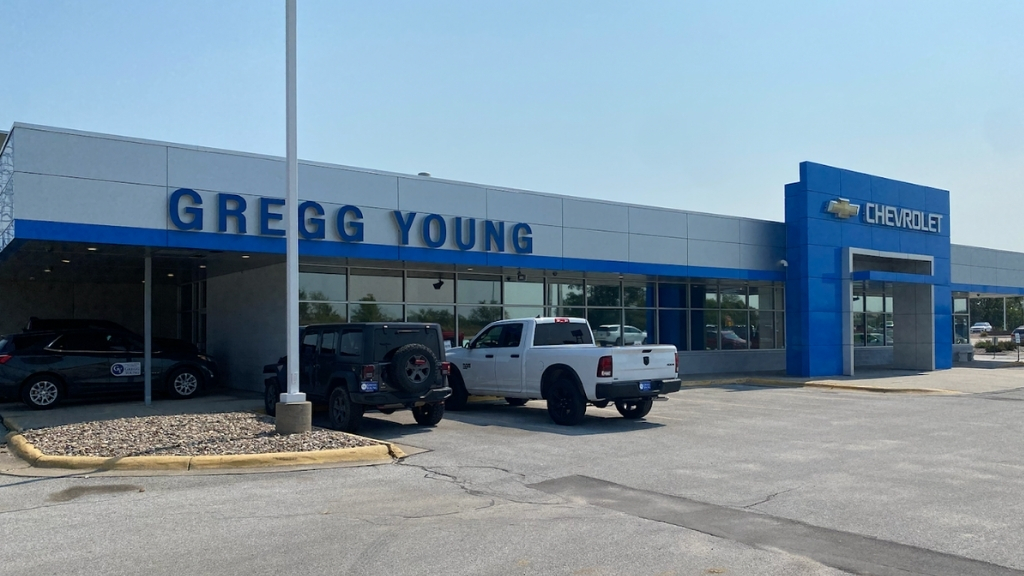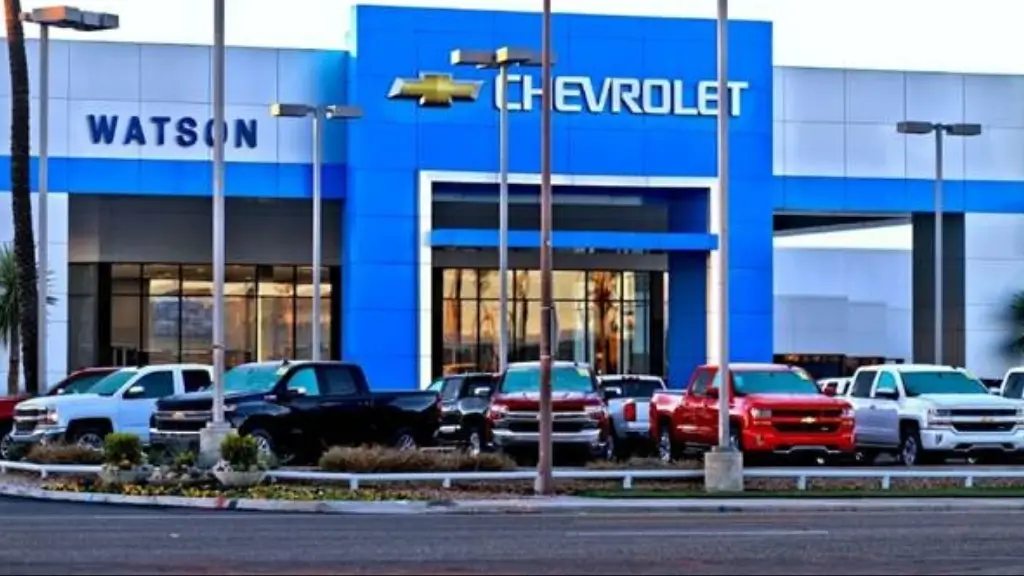
The FBI is abandoning General Motors.
For generations, the black Chevrolet Suburbans has been a rolling symbol of federal authority. Its size, shape, and presence are instantly recognizable, whether it is pulling up to a courthouse, idling near a hotel entrance, or leading a motorcade through city streets. That familiarity, however, is precisely why the FBI’s recent decision to move away from armored Suburbans and into BMW X5 Protection SUVs deserves a closer look. Despite the political noise surrounding the change, the rationale behind it is not ideological. It is practical.
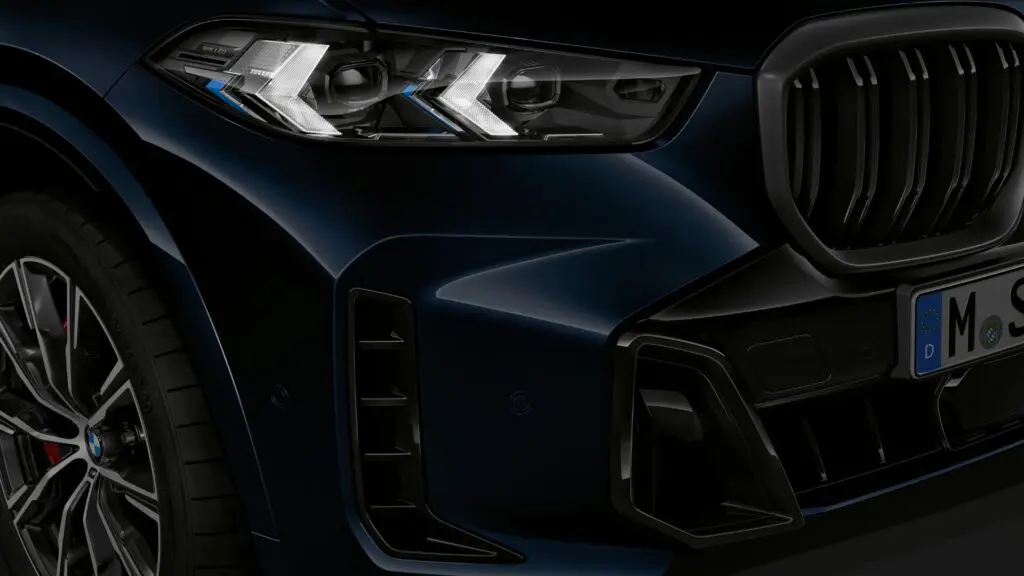
Under FBI Director Kash Patel, the Bureau has reportedly ordered a fleet of armored BMW X5 Protection SUVs to replace Chevrolet and GMC models traditionally used for executive transport. The reasons cited by the FBI are straightforward: the BMWs cost significantly less, attract less attention, and are built in the United States. Taken together, those factors point to a procurement decision driven by economics and operational efficiency, not symbolism or brand preference.
According to FBI spokesperson Ben Williamson, vehicle fleet decisions are routinely reviewed based on security needs, usage patterns, and budget considerations. In this case, the BMW X5 Protection was selected after comparing costs and capabilities with other armored options. Williamson stated that the decision was evaluated in part as a way to save taxpayers millions of dollars by choosing a less expensive vehicle while still meeting the Bureau’s protection requirements.
The cost differences are difficult to ignore. Government-spec Chevrolet Suburban Shield vehicles produced by GM Defense have been reported to cost anywhere from roughly $600,000 to as much as $3.6 million, depending on armor level, drivetrain configuration, and mission-specific equipment. Even conservative estimates put a new armored Suburban at around $480,000 per vehicle. By contrast, the BMW X5 Protection VR6 is generally priced between $200,000 and $300,000. That places it at less than half the cost of many armored Chevrolet and GMC alternatives.
When multiplied across an entire fleet, those numbers matter. Savings of $200,000 or more per vehicle quickly add up, especially for an agency under constant pressure to justify spending. From a taxpayer perspective, the question becomes simple: if the required level of ballistic protection can be achieved for significantly less money, why wouldn’t the FBI pursue that option?
The BMW X5 Protection VR6 is not a standard luxury SUV with aftermarket armor bolted on. It is engineered from the factory with integrated ballistic protection designed to meet VR6 standards, which include resistance to high-powered rifle fire and explosive threats. These vehicles are already in service with governments and diplomatic protection units around the world, including the U.S. State Department, which uses armored BMWs to protect American diplomats in high-risk regions. In other words, this is a proven platform, not an experiment.
Cost, however, is only part of the story. The FBI has also suggested that the BMWs are less conspicuous than traditional government vehicles. That claim may seem counterintuitive until one considers how deeply ingrained the Suburban has become in the public consciousness. A line of black Suburbans with dark glass is universally associated with federal officials. Their very presence can draw attention, whether intentional or not.
The BMW X5, even in armored form, blends more naturally into traffic, particularly in urban and suburban environments where luxury SUVs are common. It does not carry the same visual shorthand of authority. From a security standpoint, reducing predictability and visibility can be an advantage. A vehicle that does not immediately signal “government transport” may attract less attention and reduce potential risk in certain situations.
Critics have argued that the publicity surrounding the purchase undermines any claim of stealth, and that may be true in the short term. Over time, however, the novelty fades. What remains is a vehicle that looks like countless others on the road, rather than one that announces its purpose at a glance. For protective services, that distinction can matter.
Another important point often lost in the debate is where these vehicles are built. While BMW is a German brand, all BMW X-series SUVs, including the X5, are manufactured at the company’s Spartanburg plant in South Carolina. This facility is BMW’s largest production plant worldwide and one of the most significant automotive exporters in the United States by value. The armored X5s used by the FBI are built by American workers on American soil.
That reality complicates claims that the FBI is abandoning American manufacturing. In fact, both the Chevrolet Suburban and the BMW X5 are products of U.S. factories, assembled by U.S. labor, and supported by domestic supply chains. The distinction lies not in where the vehicles are built, but in how much they cost and how effectively they meet the agency’s needs.
Government fleets have always reflected pragmatism more than patriotism. Federal agencies use Ford, GM, Stellantis, and foreign-branded vehicles built in the U.S., depending on mission requirements. The military, law enforcement, and diplomatic services regularly reassess equipment based on performance, cost, and evolving threats. The FBI’s decision fits squarely within that tradition.
The emotional attachment to the Suburban is understandable. Introduced in 1935 as the Carryall Suburban, the vehicle has served military, law enforcement, and civilian roles for nearly a century. It is the longest-running nameplate in American automotive history and has become a symbol of durability and authority. But symbols come at a price, and in this case, that price appears to have risen dramatically.
Imagining a single Suburban costing as much as $3.6 million is enough to give any budget analyst pause. Even at the lower end of reported figures, the cost difference between an armored Suburban and an armored BMW X5 is substantial. In an era of heightened scrutiny over federal spending, paying more than double for a vehicle that may also be more visible on the road is difficult to justify.
That does not mean the BMW choice is without trade-offs. Long-term maintenance costs, parts availability, and service complexity will ultimately determine whether the savings persist over the full lifecycle of the vehicles. German engineering is known for precision, but it can also be expensive to maintain as vehicles age. At the same time, heavily armored Suburbans are highly specialized machines with their own costly upkeep requirements. The true comparison will only emerge over time.
What is clear now is that this decision is rooted in cost control and operational considerations, not political signaling. The FBI did not choose BMW to make a statement. It chose BMW because the vehicles were cheaper, less visually obvious, and built domestically. Stripped of rhetoric, that is a procurement story, not a culture war.
For taxpayers, the takeaway is straightforward. If a federal agency can meet its security needs while spending significantly less money, that is not a controversy. It is exactly what responsible stewardship is supposed to look like. The badge on the grille may spark debate, but the math behind the decision tells a far more practical story.
Check out my full commentary on this story: https://youtu.be/vJtcge2rP_I
Looking for more automotive news? https://www.
Listen to The Drive Car Show – https://www.youtube.com/@